

Muscle strain, muscle pull, or even a muscle tear refers to damage to a muscle or its attaching tendons. Muscle injuries are mainly due to overload and overstretch. You can put undue pressure on muscles during the course of normal daily activities, with sudden heavy lifting, during sports, or while performing work tasks.
Muscle damage can be in the form of tearing (part or all) of the muscle fibers and the tendons attached to the muscle. The tearing of the muscle can also damage small blood vessels, causing local bleeding, or bruising, and pain caused by irritation of the nerve endings in the area.
Whether you’re a high performing athlete or a daily gym enthusiast , we’ve all been there before. As you’re performing your last repetition or running down the field chasing your opponent – you suddenly feel a lighting sharp “pull , cramp or shooting” sensation overcoming your muscle in the worse sensation imaginable. You may or may not be able to continue playing or may even only begin to feel it the symptoms once the adrenaline wears off. As you approach the end of your activity you begin struggling initiating movement on the effected muscle and limb and suddenly you now aware of the swelling , pain and sudden even discolouration.
These are all clinical signs and symptoms of a good old fashioned muscular injury where the force or load placed on a muscle is too much for it to handle , thus causing a overstretch or tearing of the fibres. Research has shown that muscular injuries amount up to 55% in all types of injuries sustained and if left untreated has the potential to cause devastating secondary complications.
A muscular injury is a common umbrella term that encompasses an array of different variations of injuries associated with the fibres that make up our muscle tissue. As it is an extremely broad term with explanations spanning from simple to complex , we will break down and aid your understanding in what a muscle injury is , how they differ in severity and how we are able to manage , heal and rehabilitate your muscle injury to get you back to doing the activities you love the most.
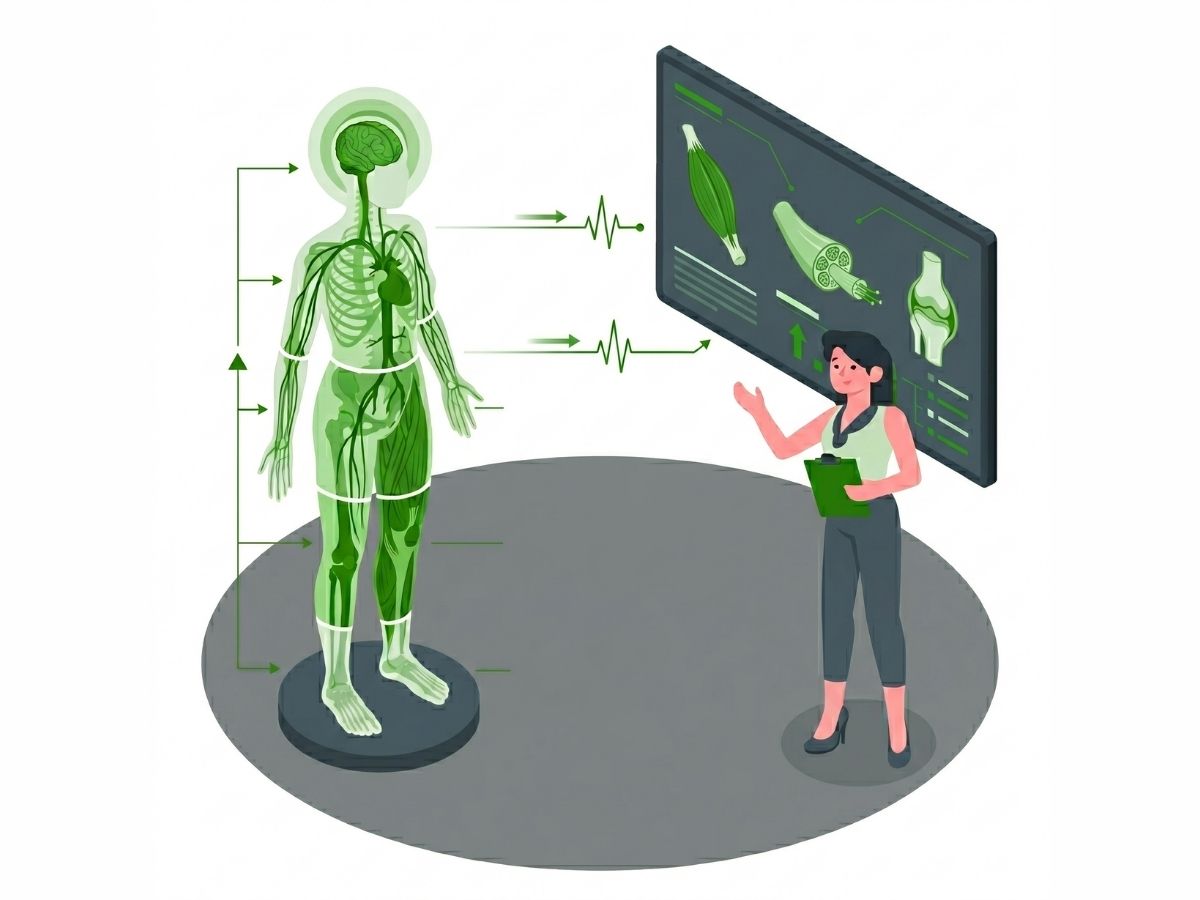
The Pathophysiology of a muscle tear and how does it happen?
Muscle tears occur due to a variety of different mechanisms that either build up , breakdown or overload the muscle fibres. These can be put into an array of different injury mechanisms for a muscular tear dependent on the type of athlete you are or gym routine you’re doing. We will use a basic example of a hamstring tear (regardless of grade) , and breakdown how it results in the fibres of the muscle being sheared , torn and strained.
Overuse / Overtraining
As you approach the final stage of your sprint , your hamstring muscle goes through a process of needing to decelerate rapidly right after accelerating. Research shows that this mechanism is the majority of when hamstring muscle strains occur. So how does this happen and what leads up to this? In an overuse capacity , the events leading up to your sprint must have been too much on the muscle fibres itself. Training overload is common as a direct cause a muscular strain. As the muscle has a certain threshold to what it can handle , overtraining will result in load surpassing this threshold. If done repetitively it worsens from initially having the fibres to shear , pull apart and finally tearing apart. This is how a strain differs in it’s severity. Lets have a further look at this mechanisms and how they relate to a muscle strain:
Inadequate recovery
Just like you need to sleep at the end of long day to reset , so does your muscles. Recovery is a highly underrated and misunderstood element of training. There are an array of different recovery mechanisms we can advise and guide you through following your training. Recovery allows high oxygenated blood to flow into muscle fibres , giving them the important nutrients needed to optimally perform again. Following your sprint your muscle fibres will need a process whereby they allowed to rest and recovery in order to prevent any stiffness , soreness or tenderness. The muscles are starved and hungry for nutrients such as glucose , magnesium , protein and carbohydrates. If recovery does not match the intensity of training, you will fall short in your performance. A gradual cycle occurs whereby the decrease in the basic nutrients and increase in lactic acid will result in the muscle fibres being “hungry” but expected to perform , therefore resulting in compensating , fatigue and tearing of the muscle.
Muscle imbalances
Having a muscle group or individual muscle that is either too string or too weak can result in overloading or compensating of the muscle itself or the surrounding structures. As with the hamstring (A group of 3 muscles) , each one needs to be able to generate , maintain and endure an activity such as sprinting. If one of those muscles are stronger than their compatriot , they will naturally be able to endure more loading and training. This will result in the compensation of the weaker muscle fibres up until the stronger one reaches it’s threshold. This gradual process results in a muscle tear.
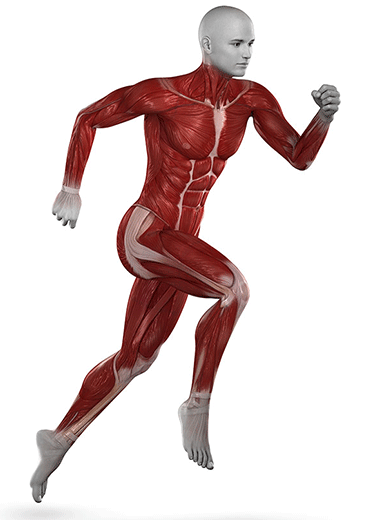
How severe is my muscle tear?
The severity of your muscle tear will differ in relation to the type of tear you’ve sustained. This varies amongst individuals and will also present differently. Lets say you’ve sustained a hamstring muscle tear , you will have slight swelling and pain but still be able to walk , drive and climb stairs. Only after a prolonged period you begin to feel a increase in your symptoms which usually settles when resting. This can be safe to say you’ve sustained a mild hamstring tear as you’re still functional but not too limited in your capacity.
Another individual with the same injury , will have an increase in swelling , some redness and bruising behind the leg. Pain is more constant but subsides a bit when resting. You struggle immensely with putting weight on your affected hamstring muscle and activities such as walking and driving are painful. You are unable to climb stairs without pain or holding onto the railings. This can be thought of a moderate muscle tear and will need a bit more intensive rehabilitation before you return to full function as the tear is more severe and needs more time to heal.
For the same type of muscle tear, another individual may not be functional at all. You are in constant pain ,whether you’re resting or not. You struggle to sleep and cannot stand up at all. You need a crutch or walking aid to assist you with basic movements such as sitting to standing and it’s impossible to bend your leg. You have massive swelling , bruising and associated skin discolouration behind your leg with an intense pain radiating throughout your leg. This can be thought of a severe muscle tear and treatment is needed immediately as the recovery process is longest.
Diagnosis
Physiotherapy diagnosis
Physiotherapy diagnoses for your muscle tear can be confirmed via our thorough assessment skills. Our knowledgable expert physiotherapists are well versed, confident, and experienced in their approach when diagnosing your muscle tear.
We are able to isolate and break down the affected muscle in order to get the best possible clinical presentation of you. Lets have a look at the thorough steps we will guide you through as we identify and confirm your muscle tear:
Subjective Assessment
This entails a brief conversation about your mechanism of injury , previous history as well as your symptoms regarding your muscle tear. This gives us a better understanding of the events and timeline leading up to your muscle tear. We will also enquire about any medication that you have used , any chronic conditions and any previous bouts of muscular or joint injuries and how this currently affects your daily capacity. Another important aspect of this is to go through your goals and expectations as we strive towards getting you back into the tasks that are important to you.
Physical Assessment
This is where we assess your physical ability in relation to your muscle tear. We are able to isolate and measure your joint mobility , muscle strength , endurance as well as assessing you through an array of special testing designed for specific muscle groups. Once we are able to establish which muscle is torn we can confirm the severity thereof by objectively assessing muscle temperature , bruising , discolouration and contraction ability. If we suspect any further investigations , we are able to provide you with a referral to get it done. We are proactive on our approach and pride ourselves in taking responsibility as your primary health care provider. The buck stops with us!
We understand how the body works and know how to mitigate any secondary issues that may arise when having a muscle tear. Allow us to take on that responsibility while you focus on a structured rehabilitation program to get you back to your best.
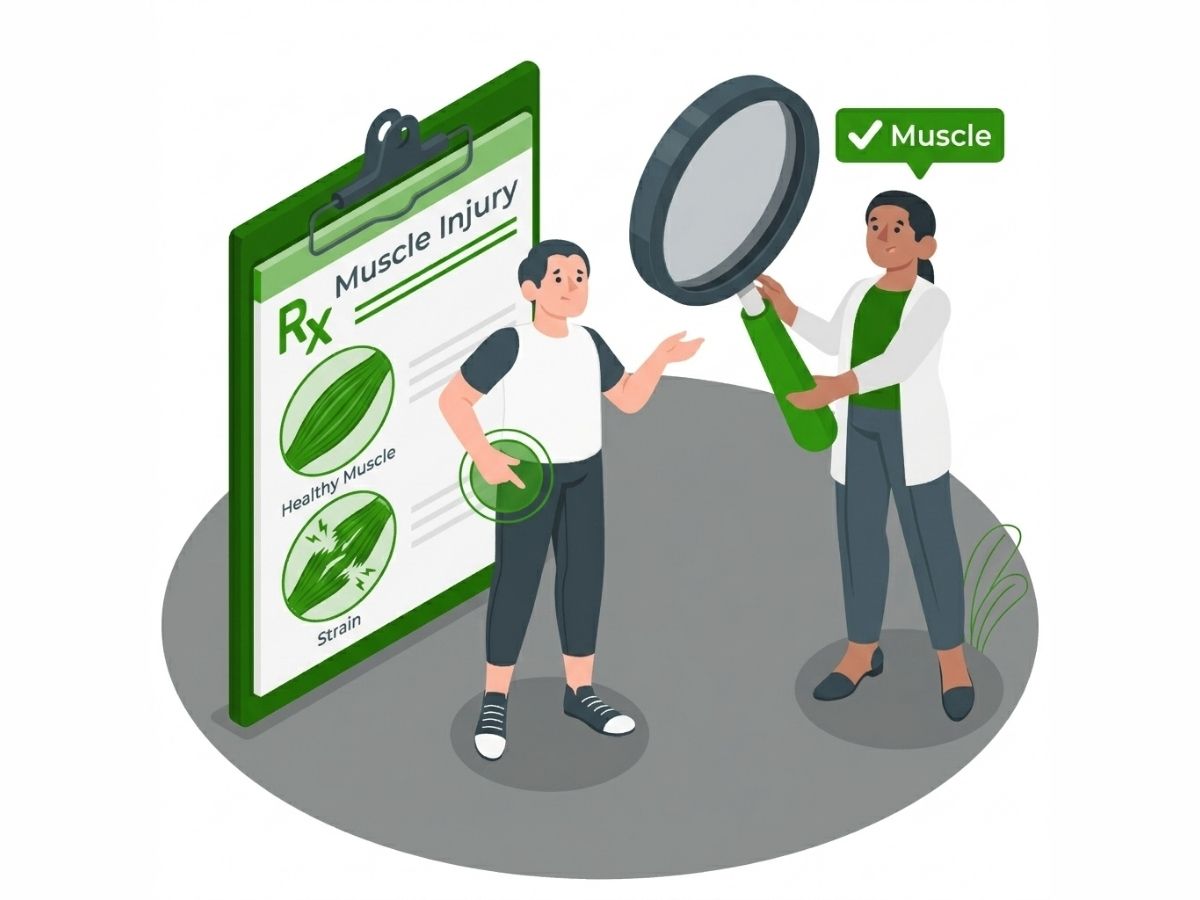
X-rays
Muscles cannot be seen on an x-ray, so it will not be effective in diagnosing a muscle tear. X-rays will however , exclude any bone fractures and boney abnormalities that could be suspected with a severe muscle tear. If we suspect this , we are able to refer you for an X-ray.
Diagnostic ultrasound
Diagnostic ultrasound is the best tool to aid us in confirming the severity and type of tear within your muscle. This also helps us in ruling out any further tears by assessing surrounding tissue. We can see this by noting any irregularities in the muscle fibres , swelling and presence of a muscle tear.
If you need an ultrasound, your physio will refer you.
Electromyography (EMG)
A EMG is a type of intervention used to assess nerve conduction throughout your body. Although not common , it can be used to indicate trauma to a muscle but will not be able to confirm the severity. This is done by measuring the amount of electrical stimulus within your muscle when at rest and when contracted.
If your physiotherapist suspects anything more than just a muscle tear, you will be referred to the right specialist.
Why is the pain not going away?
A muscle tear results in the fibres of your muscle tissue pulling apart or “shearing”. Due to the nature of this injury , the torn muscle tissue will need to regrow , readapt and get it’s ability to provide adequate strength , endurance and stability. If these measure are not correctly met , you will certainly still experience symptoms long after you’ve sustained a muscle tear.
By applying the “waiting and see” approach , you are simply setting yourself up for further complications. Rest is important within the first phase of healing , although too much rest is dangerous. Your torn muscle tissue needs to be loaded via treatment and rehabilitation in order for it to become stronger. By just resting , you will certainly feel better but as you begin to jog , gym or return to sport – the torn muscle will fall short in it’s ability to withstand those activities which then leads to recurrent muscle tears , swelling and functional restriction. You will become stuck in a cycle of pain as your muscle and surrounding structures will begin to compensate. This makes your recovery even tricker to navigate and delays your full unrestricted return to function.
Without the correct diagnoses , treatment and guidance through a loaded rehabilitation program your muscle will not be able to perform at a level you require it to. Your muscle tissue will not align correctly , causing massive scar tissue formation leading to stiffness , pain and restriction in the muscle. This worsens by causing secondary issues such as joint pain , swelling and further limited functional ability.
With initial rest , your muscle tear will certainly decrease symptomatically but thats only the first step in a process that needs to be correctly managed and followed. We are experts at this , so instead of delaying your return – let us be proactive and get your muscle tear fixed up sooner rather than later!
Problems we see when patients come to us with a muscle tear
Resting too long followed by doing too much too soon
You would be forgiven to think that by resting only , your muscle tear will heal and you’ll be back up and running in no time. This is incorrect , dangerous and misinformed advice. Although resting is important in your initial phase of healing , too much rest will cause your muscle to lose it’s bulk , tensile strength and endurance. No tear is too small to be rehabilitated! This is generally followed by skipping the rehabilitative phases and jumping straight into a full integration of your activity or sport. This sets you up for failure down the line as you are not a robot and cannot simply just resume your activities without any compromises. Although you may feel good , your muscle needs gradual loading and strengthening before being exposed and expected to keep up with daily activities.
Recurrent muscle tears
If you’re battling with recurrent muscle tears or strains , chances are that you’re falling short in your rehabilitative approach or there’s a bigger compromise elsewhere in your body. This needs to be assessed in a clinical and systematic approach , enabling us to nail down the actual root cause of your repetitive muscle tears. Recurrent tears will usually lead to severe scar tissue formation as you go about doing your normal activities without the adequate rehabilitation. This leads to further joint stiffness , muscle weakness , cramps and pain when trying to activate the affected muscle.
Compartment syndrome
Compartment syndrome is a severe medical emergency if not identified and treated in as soon as possible. A muscle tear cause’s internal bleeding and swelling. If this worsens into Compartment syndrome , it is due to a build up of pressure inside the muscle causing severe restriction of blood flow into the muscle with inevitably deprives the muscle of oxygen and nutrients. This is worsened by nerve entrapment followed by a loss of sensation and function.
Physiotherapy treatment
We are absolute perfectionists when it comes to our clinical assessment and treatment protocols. We are confident , systematic and use a guided approach to establish the extent of your muscle tear. Physiotherapy treatment compromises of an array of different modalities , techniques and the necessary guidance to aid you through your rehabilitative journey.
Once we are able to assess and confirm the extent of your muscle tear as well as any secondary complications we then shift our focus to your treatment. With any muscle tear there will always be secondary issues such as joint stiffness and muscular compensation. We are able to mitigate these issue by being thorough in our approach to ensure that the muscle tear remains the main issue.
With our expert guidance and knowledge we base our Physiotherapy treatment on your specific needs as we walk you through each healing phase , beginning with the important first step in which you get enough rest , decrease swelling and know how to manage your muscle tear effectively. This enables us to build on the solid foundation laid out as we begin our process of remodelling the torn tissue with the aid of passive and active techniques such as tissue mobilisation, laser therapy , strapping , dry needling and exercises prescribed to optimally load and unload your muscle tear accordingly. Thereafter we increase your capacity and function by furthering your muscle endurance , tensile strength and stability while gradually guiding you back into your activities.
We are experts in our field and have extensive experience in achieving your objectives by using a variety of different , refreshing and clinically based treatment approach. Allow us to get you back to where you need to be , in the most timely manner possible. Allow us to put your mind at ease , sweep away any fears and instil a level of confidence you were not aware you had.
Phases of rehabilitation
Rehabilitation for your muscle tear will consist of 5 Phases in which we lay the foundation to build upon. Focussing on the optimal amount of loading we will ensure that your rehabilitation journey is smooth , effective and clinically at the highest level. We are able to navigate your journey through a systematic approach whereby we plan , intervene and progress you according to your set objectives.
1st Phase: Educate , rest and heal (Week 0 – 2)
Rest and educate
In the first phase , we will spend the necessary time to inform you about your muscle tear, how to best manage it and how to mitigate any flare up symptoms you may still have. These protocols will involve how to keep it elevated , iced and strapped to protect the muscle in these early stages. The more and better you understand your muscle tear , the easier it will become on managing and knowing why you experiencing the symptoms you are. We are able to safely guide you through this process as well as to make you aware of why a slow integration is necessary.
Medication
Weaning you off medication as soon as possible is always what we strive for in the first phase. Navigating the type of medication can be tricky if you do not know what is appropriate and which is not. We would always want to prevent any secondary issues that can inhibit your recovery time such as stomach ulcers , constipation or drowsiness. We are experts at weaning you off your medication and will safely advise you how to go about doing so.
Mobility and muscle foundation
If you are on crutches , we will advise you on how to wean off them and which exercises are important to get you there. The associated limb and joint that the muscle connects to will certainly become stiff and immobile. In this phase we would want to gently start passive and active movements to slowly introduce movement back into the joint. Muscle strengthening exercise’s such as isometric contractions will be started at a very basic level to begin fibre contraction and blood flow.
By the end of this phase you should be able to:
- Gain the ability to weight bear (Lower limb muscle tear).
- Decrease in swelling , discolouration and tenderness.
- Able to move your associated joint with limited pain.
- Able to hold a isometric muscle exercise for at least 6 reps (3 sets) of 15 seconds.
2nd Phase: Remodel and regain (Week 2 – 4)
As you are now able to do a bit more , we can start integrating further protocols to enhance your joint mobility and begin our remodelling stage. In this phase , as the muscle heals we aim to ensure that the scar tissue formation is mobile enough to prevent future restrictions and allow you pain free mobility. We begin focussing on remodelling your muscle tissue via an array of different techniques such as muscle mobilisations and exercise’s that we can now progress from a isometric pattern into a concentric movement with slow loading in a eccentric movement pattern.
By the end of this phase you should be able to:
- Move your muscle through range with a perceived pain scale of no more than 5/10.
- Swelling and discolouration resolved.
- Able to fully weight bear (Lower limb injury).
- Regain your functional capacity such as walking and stair climbing.
3rd Phase: Promote and strengthen (Week 4 – 8)
In this phase we will build upon the phases you had been through. Focus is paid to promoting further functional capacity such as integrating into gym or sport training (Within your specific limitation and boundaries). If your muscle was immobilised such as in a sling , cast , moon boot or crutches , this is the phase in which we will achieve you being weaned off it completely.
Between week 6 – 8 , is where the fun begins to happen. We can now start implementing higher loading exercise’s which focuses on muscle fibre remodelling and strengthening.
By the end of this phase you should be able to:
- Perform a pain free contraction through movement of at least 6 repetitions of 3 sets.
- Integrate into further functional activities such as driving.
- Able to perform body weight exercise’s such as a squat or modified push up.
4th Phase: Readapt and reintegrate (Week 8 – 10)
In this phase we begin to integrate you back into your end stage objective while furthering your endurance , strength and return to functional goals. Phase 4 is where you’ll be able to mark your return to the activities that are important to you such as training , jogging and hitting the gym. These however, will be done at a comfortable and pain free capacity , as your muscle tear affects the threshold of what the muscle can withstand therefore you will still be closely monitored in order to not over load yourself in training and will be required to train within set limitations.
We increase your abilities by progressing your exercise regime into a higher loading , explosive patterns in order to start the process of your full integration back into training. By doing so we are able to slowly build up the tensile resilience of your muscle as we approach the final clearance phase. By the end of this phase you should be able to:
- Have integrated into a introductory plyometric (explosive) movements.
- Returned to training / gym within your limitations.
- No pain or discomfort with any exercises or movement patterns.
5th Phase: Return to play (Week 10 – 12)
Phase 5 is the “final test” to ensure that what your muscle is required to do , has been tried and tested to ensure that your medical clearance is safe , effective and has been stressed to it’s end stage capabilities. This is imperative before making a full return to your activities as without it , you will not have the confidence and peace of mind needed to perform at your highest level of function.
By the end of this phase you should be able to:
- Know which movements and exercises are important for you to ensure you maintain your progress.
- Fully integrated back into your activities without any pain or discomfort.
- Have the confidence in your ability to perform at your highest capacity again.
Healing time & other forms of treatment
Healing time for a muscle tear varies amongst different individuals. There are numerous predisposing factors that play a part in your healing process which directly affects your progress and return to function. Breaking it down into a simplistic form may aid you in the understanding and importance of why and how healing time differs amongst individuals based on the and severity of your muscle tear.
Mild
- A mild muscular tear is usually considered to be about 20% disruption of your muscle fibres (Grade 1 tear). This is not long lasting and heals between 1 – 4 weeks , with a full return to capacity around 5 – 6 weeks.
Moderate
- A moderate muscular tear is between 20% – 60% of torn muscle fibres (Grade 2 tear). This is a bit more complex given the corresponding symptoms and heals between 6 – 8 weeks. , with a full return to capacity around 8 – 10 weeks.
Severe
- A severe muscular tear is anywhere between 60% – 100% of your muscle fibres torn (Grade 3 tear). Healing time is longer given the amount of damage within the muscle and surrounding structures. Healing time lasts around 12 – 16 weeks with a full return to capacity around 18 – 24 weeks.
Given our expertise in our domain , we are able to accelerate your healing process by implementing or referring you for an array of different types of treatment protocols. By being able to identify your needs and end goals we strive towards your objectives not only within our scope of practice but by reaching outside our box and identifying different forms of treatment.
Lets have a look at some of our strong alternative and additional forms of treatment that can aid us in your rehabilitation journey:
- If need be , a referral to your local GP will aid us in the appropriate medication for your healing stage and process. These could consists of analgesics , muscle relaxants and nerve sensitising medications. Anti-inflammatories are warranted against as this will inhibit and delay your healing response in the initial stages of healing.
- Nutritional and supplements. Within our domain we are able to guide you through the process of supplements and nutritional advice to accelerate your healing process.
- High intensity laser therapy to aid blood flow into your torn muscle resulting in an decrease in swelling and increase in healing.
- Normatec recovery machines. These machines promote blood flow into a muscle thereby increasing the breakdown of lactic acid , aiding in your recovery time.
- Platelet replacement therapy (PRP). PRP therapy is sued by one of our sport physicians in which we are able to draw your own blood , using it to develop a high concentration of oxygen rich platelets and infiltrate it back into your torn muscle. This is a safe procedure and increased your healing time significantly.
Is surgery an option?
Although not uncommon , surgery only becomes a necessary option in high traumatic cases which would normally be due to a severe mechanism of injury where the muscle tear is merely a secondary consequence of the trauma (Car accident). There are numerous factors which would have to be considered first before opting for a surgical intervention. Non – surgical rehabilitation is always the first choice when it comes to the rehabilitation of a isolated muscle tear.
Lets have a look at some of the surgical indications that would be necessary before opting for a surgical intervention:
- A large muscle that has retracted more than 3-5mm from it’s origin site.
- Severe hematoma or bleeding inside the muscle that worsens within 48 hours.
- Necrotic muscle tissue causing infection.
- Repetitive tearing of a previously compromised muscle , with pain lasting for more than 6 months as well as worsening lose of functional capacity.
Surgical intervention is designed to reattach the lose origin or insertional part of the muscle. Very rarely will a surgery be needed for a tear that has occurred in the middle or “belly” of the muscle. This is due to the high velocity and complex force that travels through your muscle when contracting it , such as pulling fiercely on a piece of steak that you tried sewing together in the middle. Regardless of the direction you’re applying force , belly of the steak will tear – such is contractile force applied to your muscle when trying to “sew” up a torn muscle , especially if torn in the middle. Rehabilitation is still imperative whether you’re following a surgical or non-surgical route.
What else could it be?
- Ligament Tear – A ligament tear can be associated with a muscular strain , depending on where the strain of the muscle is and how the injury was sustained.
- Tendon Tear – A tendon connects our muscles to our bones , so if a muscular tear happens closer to where the muscle branches into a tendon , it can result in a tendon tear as well.
- Contusion – A bruising of the muscle. This rarely happens without a corresponding muscular tear.
- Delayed Onset Muscle Soreness (DOMS) – This sensation largely occurs after training or exercises , and happens to due the build up or inability of the body to breakdown lactic acid within the muscle.
Also known as
- Muscle strain
- Muscle contusion
- Pulled muscle
- Cramped up muscle
- Delayed onset muscle soreness (DOMS)